East Asia · Fortified Structure
Himeji Castle
Japan
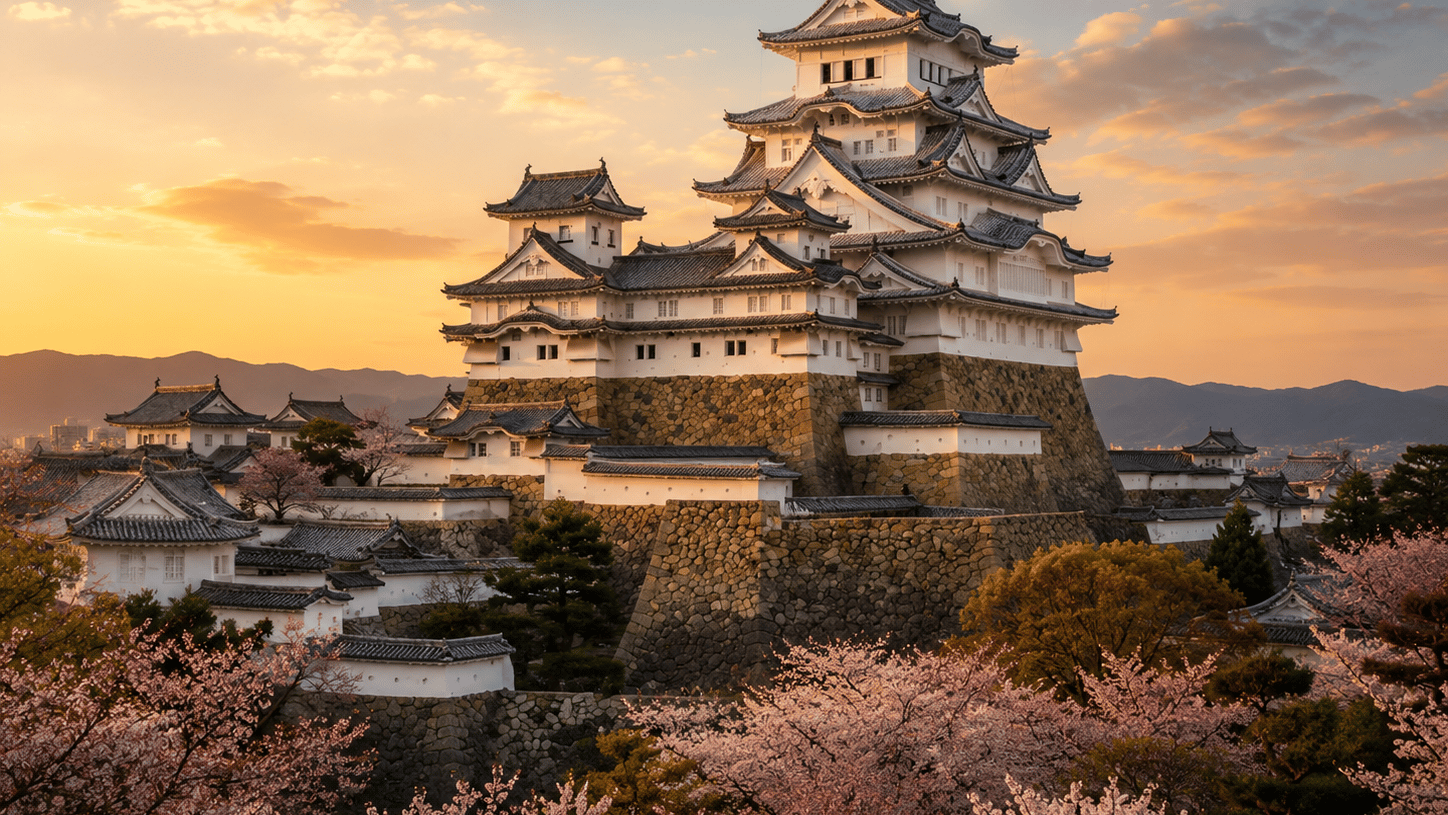
Himeji Castle offers exceptional layered walls, moats, gates and approach geometry, but it sits in central Himeji and remains dependent on urban water, energy and food systems rather than functioning as an isolated self-sufficient fortress.
Overall
4.3 out of 10Defensibility
8 out of 10Isolation
1 out of 10Sustainability
4 out of 10Ranking context
How this base ranks
Global
#62 of 91 · Top 68.13%
Region · East Asia
#3 of 5 · Top 60%
Base Type · Fortified Structure
#14 of 18 · Top 77.78%
Field assessment
At a glance
Bottom Line
A formidable local defensive position with poor regional isolation and only modest independent resource security once surrounding city systems are removed.
Biggest Trade-off
Excellent layered fortification and interior space versus immediate urban population pressure and modern utility dependence.
Most Likely Failure
The group can hold the inner defensive layers but cannot sustain water, food and maintenance needs once surrounding city infrastructure stops supporting the site.
Score rationale
Why it scores this way
Defensibility · 8/10
Himeji's surviving walls, moats, gates and spiral defensive lines create a very strong layered position for a small survivor group.
Advantages
- Repeated gates, bends, elevation and nested enclosures slow and channel movement toward the inner keep.
Limitations
- Timber heritage fabric is less failure-tolerant than a modern hardened structure and requires continued conservation.
Isolation · 1/10
The castle has almost no regional separation from dense urban pressure because it sits in central Himeji close to the main station.
Advantages
- Moats and inner elevation create local separation once threats reach the castle grounds.
Limitations
- Those local barriers do not reduce the surrounding city's large population pressure and must not be double-counted as geographic isolation.
Sustainability · 4/10
The maintained complex has substantial usable space and water-dependent visitor infrastructure, but it is not a ready-made residential community or independently supplied habitat.
Advantages
- Numerous enclosed buildings and rooms provide useful shelter and functional separation for twenty people.
Limitations
- Independent food, potable-water and energy continuity after city-system failure are not established.
Survival horizons
How survival changes over time
Strong local fortress
First 7 Days
The castle's layered approaches and large interior give the group a strong immediate defensive refuge despite severe surrounding urban pressure.
Positive factors
- Nested walls and gates let a small group concentrate defence around a much smaller inner footprint.
Risks
- High nearby population pressure makes the outer operating environment dangerous from the outset.
Urban dependency exposed
First 100 Days
As municipal support degrades, water, food, sanitation and maintenance matter more than the castle's abundant defensive architecture.
Positive factors
- The site's many rooms provide useful space for stockpiling, separation and protected work.
Risks
- Current water and fire-protection systems do not establish an independent long-term resource chain.
Fortress without self-sufficiency
Long Term
Long-term viability depends on creating protected resource pathways and maintaining aging timber structures while remaining embedded in an urban environment.
Positive factors
- The inner defensive geometry remains a durable advantage even after surrounding infrastructure fails.
Risks
- Without independent water, food and energy, the Base cannot convert defensive strength into durable survival.
Tactical assessment
Practical Reality
Reality Check
Himeji's historic military design is scored as surviving physical geometry only. The Base does not inherit a garrison, weapons, municipal services or the surrounding city as controlled resources.
Best Use
Use the nested gates, moats and inner keep as a tightly controlled defensive core rather than attempting to treat the surrounding city or full heritage property as secure territory.
Key Risk
Dense urban pressure and dependence on municipal resources overwhelm the castle's impressive local defensive geometry during a prolonged collapse.
Strengths
- Nested walls, moats, gates, towers and spiral approach routes create exceptionally strong local contact control.
- The multi-building castle complex provides ample enclosed space for twenty survivors and useful internal separation.
- Current visitor and fire-protection infrastructure demonstrates maintained water-dependent site systems.
Weaknesses
- The castle stands in central Himeji about one kilometre from the main station, creating very high surrounding population pressure.
- Current water access does not prove an independent long-term potable supply after municipal disruption.
- Historic timber structures require ongoing specialist conservation and carry significant fire and weather maintenance burden.
Assumptions / constraints
- The fixed twenty-person group controls only the castle operating boundary and does not inherit surrounding urban services or historic garrison capability.
Decision context
Rivals / Alternatives
Similar rival
Malbork Castle
Poland · Fortified Structure
Malbork Castle keeps the same fortified structure strategy, with only 0.0 points between the overall scores and closely matched defensibility pressure.
Overall 4.3/10
Strongest alternative
Fort George
United Kingdom · Fortified Structure
Fort George scores 6.7 overall versus 4.3, adding a stronger isolation profile while staying relevant as another fortified structure.
Overall 6.7/10
Wildcard rival
Amundsen-Scott South Pole Station
Antarctica · Institutional Compound
Amundsen-Scott South Pole Station changes the strategy: it is a institutional compound with a isolation edge, while Himeji Castle holds more of the defensibility advantage.
Overall 7.7/10